
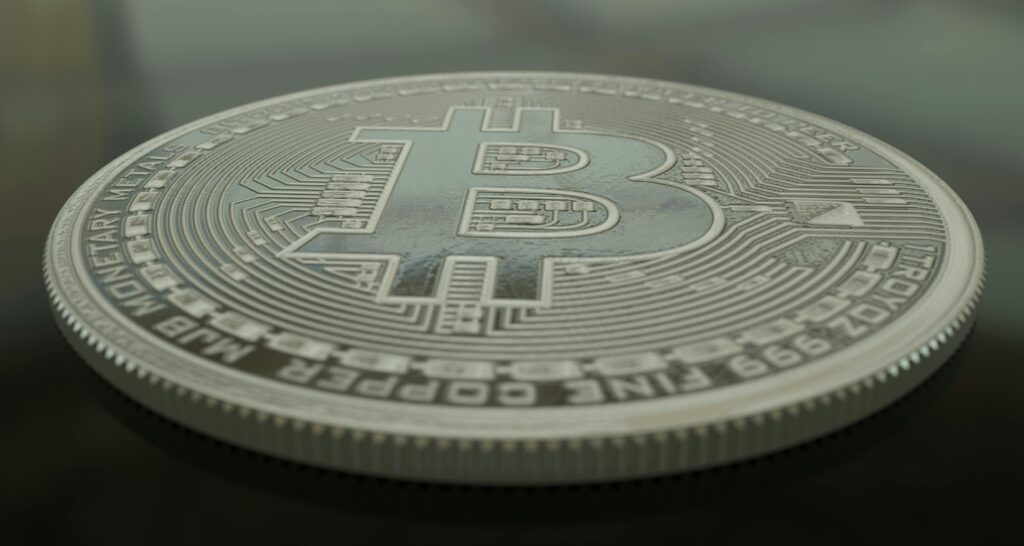
Technology and science: 8 Powerful Coins to Watch Rising
Technology and science are at the heart of the transformations shaping our future. In 2025 and going into 2026, we’re seeing breakthroughs—from quantum computing to AI, space exploration to biotech—that directly influence which coins (cryptocurrencies, tokens) may rise or fall. In this DIY blog post, I’ll walk you step by step through recent updates in technology and science, how they tie into coin behavior, and eight promising coins I believe are worth watching. Plus, I’ll share how you can personally track, test, and learn—all geared toward Nigerian readers so you can implement this knowledge locally.
Let’s dive in.
Introduction
I’ve always believed that knowledge is power. When you understand how technology and science evolve, you gain insight into how coins may respond. The phrase “coins rising and falling” often sounds mysterious or speculative, but there is logic behind the volatility—and you can use that logic yourself.
In this post, I’ll:
-
-
-
- Summarize the latest updates in technology and science that matter for crypto.
-
-
-
-
-
- Explain why coins rise (and fall) and how tech developments tie in.
-
-
-
-
-
- Introduce 8 promising coins I expect to see rising in future — with reasoning.
-
-
-
-
-
- Share DIY methods you can use to track, simulate, and experiment.
-
-
-
-
-
- List more than 10 scholarships with live application links (especially for Nigerians) to support your learning in tech & science.
-
-
-
-
-
- End with 10 FAQs to clarify common doubts.
-
-
Throughout, the Focus Keyword Technology and science will be used in subheadings, naturally in the content, and help bring clarity and SEO traction.
Recent Updates in Technology and Science (that affect coins)
To pick coins likely to rise, you must first understand what technology and science advances are influencing crypto ecosystems.
Quantum computing and post‑quantum cryptography
One of the biggest looming shifts is quantum computing. As quantum hardware becomes more capable, certain classical cryptographic systems (e.g. RSA, ECC) risk being broken. That threat pushes development in post‑quantum cryptography—algorithms resistant to quantum attacks.
Coins and blockchains that proactively adopt quantum‑resistant schemes may gain trust and adoption. The public discussion around this is increasing, with research labs publishing new lattice‑based and hash‑based signature systems.
Advances in consensus mechanisms & scaling
Ethereum’s transition, sharding, rollups, zero-knowledge proofs, and layer‑2 scaling are all critical. As throughput, latency, and cost improve, more applications (DeFi, games, DAOs) can flourish. That fosters greater demand for tokens in those chains.
In parallel, alternate consensus methods (Proof of Stake, Proof of History, DAGs) are evolving. These technical improvements change how token economics are structured and which networks gain attention.
AI, machine learning, and predictive models
AI is now being used to analyze on-chain data, social sentiment, price prediction, anomaly detection, and more. Tools combining AI and blockchain can spot patterns humans miss. Furthermore, AI-driven automation is being embedded into smart contracts (autonomous agents).
Such crossovers strengthen coins that integrate intelligent features—or coins backing platforms that enable AI‑blockchain interoperability.
Decentralized storage, interoperability, and Web3 tech
Projects building decentralized storage (e.g. IPFS, Filecoin, Arweave), interoperability protocols (Polkadot, Cosmos), and identity layers influence demand. Tokens enabling cross-chain bridges, or providing storage incentives, may get more traction.
Sustainability, energy, and green tech
Energy consumption is a constant concern in crypto. Advances in renewable energy, energy-efficient consensus, or hardware innovations (ASICs with lower power draw) will influence mining costs and network viability. Networks that lower carbon footprint may attract ESG-minded investors.
Real-world applications & regulation
Science innovations in IoT, sensor networks, medical data, supply chain, and more are integrating with blockchain for trust, provenance, or monetization. Meanwhile regulation and national policy, particularly in Nigeria/Africa, can significantly affect adoption and investor confidence.
These are not distant ideas—they are evolving today. And the more you stay updated in technology and science, the better you’ll spot which coins may rise or fall next.
Why Coins Rise or Fall (and how tech ties in)
Before I list coins to watch, let me explain the mechanisms behind coin movements, so you understand why my picks may gain.
How coins rise
Coins typically rise when:
-
-
-
- Adoption increases: More users, developers, applications, integrations.
-
-
-
-
-
- Technical upgrades succeed: Major protocol improvements, reduced fees, scaling breakthroughs.
-
-
-
-
-
- Ecosystem growth: New dApps, DeFi, NFTs, Web3 projects build on the chain.
-
-
-
-
-
- Partnerships and institutional backing: When big firms or governments support, adoption and trust increase.
-
-
-
-
-
- Scarcity & tokenomics: Supply caps, burns, or deflationary mechanisms.
-
-
-
-
-
- Speculation and momentum: Positive news, hype cycles, FOMO attract investment.
-
-
How coins fall
Conversely, coins fall due to:
-
-
-
- Technical failures, bugs, or hacks
-
-
-
-
-
- Regulation crackdowns or bans
-
-
-
-
-
- Weak adoption or stale development
-
-
-
-
-
- Dumping by whales or early investors
-
-
-
-
-
- External macro risks (interest rates, inflation, geopolitical shock)
-
-
The tech link
Each of the recent technology and science updates can either enable or undermine coins. A chain that adopts quantum resistance early may outperform. A network that fails to scale may stagnate. AI tools might amplify momentum or detect overbought signals.
Therefore, you shouldn’t just pick coins randomly—you should tie coin picks to technology trajectories.
8 Promising Coins to Watch Rising (2025–2026)
Below are eight coins (or token ecosystems) I believe have strong potential for upward movement, based on current technology/science trends. Do your own research before investing.
-
-
-
- Ethereum (ETH) — Because of continuous scaling upgrades (rollups, sharding) and its central role in DeFi, Ethereum remains a high-probability coin to watch.
-
-
-
-
-
- Arbitrum (ARB) — A popular layer‑2 rollup on Ethereum. As rollups gain traction, its token may benefit.
-
-
-
-
-
- Optimism (OP) — Another strong layer‑2 with optimism for scaling and developer incentives.
-
-
-
-
-
- Polkadot (DOT) — Focused on interoperability, allowing chains to communicate. As Web3 grows, the need for cross-chain will increase.
-
-
-
-
-
- Cosmos (ATOM) — Another interoperability hub with modular architecture.
-
-
-
-
-
- Filecoin (FIL) — Decentralized storage is essential for Web3. As demand for storage and trustless data increases, FIL may appreciate.
-
-
-
-
-
- Chainlink (LINK) — The connective tissue between real‑world data (oracles) and smart contracts. With more dApps needing oracles, its demand grows.
-
-
-
-
-
- Mina Protocol (MINA) — Uses succinct proofs (zero-knowledge) so the entire chain stays small. This makes it efficient and scalable, a very interesting tech play.
-
-
Each of these ties back to technology and science — whether in scaling, storage, interoperability, proofs, or data integration. In time, some may rise considerably.
DIY Plan: How You Can Track, Test & Learn
You can’t just watch—do! Here’s a roadmap to experiment with your own observations and develop insight.
Step 1: Set up tracking & alerts
-
-
-
- Use platforms like CoinGecko, CoinMarketCap, Glassnode, Messari for price, volume, on‑chain metrics.
-
-
-
-
-
- Set alerts (mobile apps) for percentage moves, volume spikes.
-
-
-
-
-
- Add RSS or Twitter feeds for protocol news (e.g. Ethereum Foundation, Polkadot blog).
-
-
Step 2: Paper trade / simulate
-
-
-
- Use demo accounts or “sandbox” environments on exchanges to simulate buying/selling.
-
-
-
-
-
- Use historical data to backtest simple strategies (e.g. moving average crossovers, RSI).
-
-
-
-
-
- Record your results.
-
-
Step 3: Correlate with tech news
-
-
-
- Whenever a major technology or science development comes (e.g. quantum-resistant algorithm release, AI integration announcement), check if your tracked coins move.
-
-
-
-
-
- Note time gaps, magnitudes, and whether those moves are sustained.
-
-
Step 4: Build your own dashboard
-
-
-
- If you can code (Python, JavaScript), fetch APIs (coin data, on‑chain metrics, Twitter sentiment) and build a simple dashboard.
-
-
-
-
-
- Experiment with predictive signals: spikes in social mention → price reactions.
-
-
Step 5: Small investment tests
-
-
-
- If permitted, put a small amount (even $5 or its Naira equivalent) into a coin trade and observe slippage, fees, volatility.
-
-
-
-
-
- Use local exchanges (e.g. Binance NG, Quidax) to see local behavior, liquidity differences.
-
-
Step 6: Maintain a research journal
-
-
-
- Every day or week, log your observations: what moved, why you think it moved, what tech news corresponded.
-
-
-
-
-
- Over months, you’ll see patterns you wouldn’t initially expect.
-
-
By combining technology and science awareness with market tracking and your own experiments, you’ll sharpen your ability to spot coins rising.
Scholarships to Support Your Tech & Science Journey
If you’re serious about deepening your understanding in technology and science, education matters. Here are more than 10 scholarship opportunities, especially useful for Nigerian students and Africans. Each includes a live application link (where available). Remember to verify deadlines, criteria, and authenticity.
-
-
-
- MTN Foundation Science & Technology Scholarship (STS, Nigeria) — for 300-level science/tech students.
Apply: https://www.mtn.ng/scholarships/ MTN Nigeria
- MTN Foundation Science & Technology Scholarship (STS, Nigeria) — for 300-level science/tech students.
-
-
-
-
-
- MTN Scholarship for Blind Students (SBS, Nigeria) — for blind students in public institutions.
Also via https://www.mtn.ng/scholarships/ MTN Nigeria
- MTN Scholarship for Blind Students (SBS, Nigeria) — for blind students in public institutions.
-
-
-
-
-
- NCS (Nigeria Computer Society) Scholarship Award — supports undergraduates, master’s, PhD in computing/IT fields.
Apply: https://www.ncs.org.ng/scholarshipaward/ ncs.org.ng
- NCS (Nigeria Computer Society) Scholarship Award — supports undergraduates, master’s, PhD in computing/IT fields.
-
-
-
-
-
- Utiva’s Ooni Tech Scholarship — full tuition for tech programs (coding, software dev) in Nigeria.
Details: https://siliconafrica.org/it-scholarships-africa/ Silicon Africa
- Utiva’s Ooni Tech Scholarship — full tuition for tech programs (coding, software dev) in Nigeria.
-
-
-
-
-
- BGIT Fully Funded Scholarship for Women in Tech — for Nigerian/Ghanaian women in tech fields.
Info: https://www.techloy.com/5-best-2025-tech-scholarships-for-women-in-nigeria/ Techloy
- BGIT Fully Funded Scholarship for Women in Tech — for Nigerian/Ghanaian women in tech fields.
-
-
-
-
-
- Standard Chartered Futuremakers Women in Tech (WITI 6) — entrepreneurial & tech skills funding for women.
Info: https://www.techloy.com/5-best-2025-tech-scholarships-for-women-in-nigeria/ Techloy
- Standard Chartered Futuremakers Women in Tech (WITI 6) — entrepreneurial & tech skills funding for women.
-
-
-
-
-
- Axia Africa Women in Tech Scholarship — broad access to tech training.
Details: https://www.techloy.com/5-best-2025-tech-scholarships-for-women-in-nigeria/ Techloy
- Axia Africa Women in Tech Scholarship — broad access to tech training.
-
-
-
-
-
- Bybit Academy Scholarship Fund (with AltSchool Africa) — part tuition scholarships in engineering, product, data programs.
Info: https://www.techloy.com/5-best-2025-tech-scholarships-for-women-in-nigeria/ Techloy
- Bybit Academy Scholarship Fund (with AltSchool Africa) — part tuition scholarships in engineering, product, data programs.
-
-
-
-
-
- BOOST ICT Scholarship for Nigerian Women — to support female ICT undergraduates.
Mentioned in the same TechLoy listing above. Techloy
- BOOST ICT Scholarship for Nigerian Women — to support female ICT undergraduates.
-
-
-
-
-
- Chevening Scholarship (UK, international) — for postgraduate studies, open to Nigerians.
More: https://en.wikipedia.org/wiki/Chevening_Scholarship Wikipedia
- Chevening Scholarship (UK, international) — for postgraduate studies, open to Nigerians.
-
-
-
-
-
- KBF STEM Scholarships (Nigeria) — rewards in STEM, computer science, engineering fields.
Info: https://kbfstem.org/scholarships/ kbfstem.org
- KBF STEM Scholarships (Nigeria) — rewards in STEM, computer science, engineering fields.
-
-
-
-
-
- Bright NGO Scholarships for Nigerian Students (2025) — fully funded NGO scholarships across disciplines.
Apply: https://brightscholarship.com/ngo-scholarships-for-nigerian-students-2025/ Reddit
- Bright NGO Scholarships for Nigerian Students (2025) — fully funded NGO scholarships across disciplines.
-
-
Use whichever you are eligible for. Even applying builds your discipline and exposure.
External Resources You Should Bookmark
-
-
-
- CoinGecko (https://www.coingecko.com) — coin prices, charts
-
-
-
-
-
- Glassnode (https://glassnode.com) — on-chain metrics
-
-
-
-
-
- Messari (https://messari.io) — crypto analytics
-
-
-
-
-
- Ethereum Foundation blog (https://blog.ethereum.org) — protocol updates
-
-
-
-
-
- ArXiv (https://arxiv.org) — latest research in quantum, cryptography, AI
-
-
-
-
-
- MIT Technology Review (https://www.technologyreview.com) — science & tech trends
-
-
-
-
-
- Nigeria’s NITDA / Ministry of Innovation — national tech policies
-
-
-
-
-
- Local exchanges (Binance NG, Quidax, Luno NG) to observe local trading behavior
-
-
Conclusion
When you link technology and science developments with coin market behavior, you move from blind guessing to informed insight. By observing tech breakthroughs, monitoring coin ecosystems, experimenting yourself, and applying education via scholarships, you build capability and confidence.
The 8 coins I listed are not guaranteed winners—but they illustrate how tech trends can guide your choices. Use DIY tracking, small tests, and constant learning to refine your views.
Above all, treat this as a long journey. Stay humble. Keep learning. Over time, your understanding of how coins rise (and fall) in response to tech will sharpen.
10 Frequently Asked Questions (FAQs)
1. What does “coins rising” mean?
It means the price (value) of a cryptocurrency or token is increasing over time relative to another currency (e.g. USD, Naira).
2. Can technology and science advances truly influence coin prices?
Yes—because coins depend on cryptographic protocols, scaling layers, computing efficiency, interoperability, and adoption. Advances in these areas often shift investor sentiment and usage.
3. How much money do I need to start experimenting?
You can start with very little—$5 or equivalent—or even zero using paper trading / simulations until you’re comfortable.
4. Is it safe to invest in coins?
Crypto is volatile and risky. Always diversify, invest only what you can lose, and do thorough research.
5. How do I pick which coins to watch rising?
Look for coins tied to strong tech trends: scaling, interoperability, storage, proof systems, AI integration. Use fundamentals + technology alignment.
6. How often should I review my investments or observations?
Daily to weekly monitoring is ideal. But for beginners, reviewing weekly is acceptable. Over time you may want hourly tracking.
7. Are the scholarships real and safe?
Yes, the ones listed (e.g., MTN STS, NCS, Chevening, KBF STEM) are established. Always check official pages and application requirements before applying.
8. What skills should I learn to build crypto/tech dashboards?
Basic Python or JavaScript, API usage, data analysis, visualization (Dash, D3.js), understanding blockchain APIs.
9. Can quantum computing crash cryptocurrency markets overnight?
Not overnight—quantum breakthroughs are incremental. Blockchains are preparing with post‑quantum cryptography. The transition would likely be gradual.
10. How long before selected coins may rise meaningfully?
Some may see movement in months; others may take 1–2 years. The key is monitoring, patience, and adapting to new information.
Read More: HERE